What To Do After Failing Your Fire Hydrant Flow Test?
An essential aspect of ensuring the safety and efficiency of fire protection systems is conducting regular fire hydrant flow tests. These tests help review the water circulation as well as pressure capabilities of fire hydrants, guaranteeing they remain in optimal working condition. In this section, we will certainly explore the relevance of the fire hydrant circulation test, its treatment, the possible sources of failing, and also the value of examining malfunctioning parts in the after-effects.
The fire hydrant flow examination is a vital assessment that determines the water flow and pressure from a fire hydrant when it is fully open. It helps figure out the adequacy of water supply offered for firefighting functions, making certain that the fire defense system can effectively combat fires in emergency scenarios.
Treatment of the Fire Hydrant Circulation Test
The fire hydrant flow test is conducted in a methodical manner to acquire precise and also dependable outcomes. Here is a detailed malfunction of the procedure:
Prep work:
Prior to starting the test, it is important to inform the regional fire department and also other relevant authorities to ensure sychronisation and compliance with security laws.
Seclusion:
The fire protection system connected to the hydrant undertaking testing should be separated to stay clear of any disruption or disruption during the test.
Water Source:
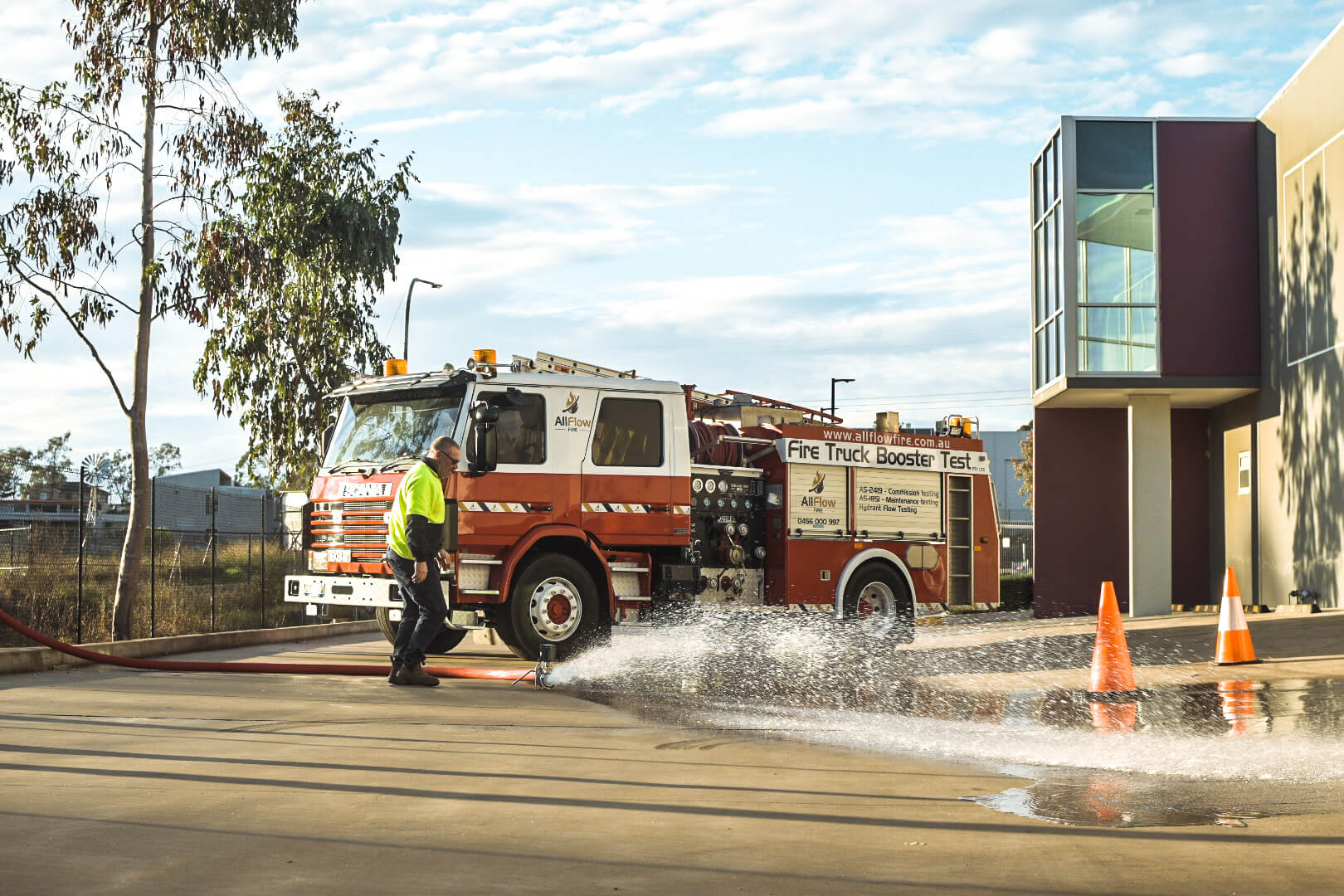
The water supply resource for the test https://fireextinguishersgoldcoast.com.au/hydrant-boost-testing/ is normally a fire hydrant adjacent to the one being evaluated. This makes certain that an appropriate water circulation is kept during the examination without impacting the real supply of water.
Measuring Instruments:
Specialized determining devices, such as circulation meters and pressure determines, are linked to the examination hydrant to determine the water circulation price and stress accurately.
Opening the Hydrant:
The hydrant is then completely opened to enable optimal water circulation. The circulation rate as well as pressure readings are recorded making use of the gauging tools.
Period of the Examination:
The examination is generally conducted for a details duration, generally around 2 to 3 mins, to get regular and trusted measurements.
Data Collection:
The taped information, consisting of circulation price and also stress analyses, are carefully recorded for evaluation and comparison with the called for standards as well as guidelines.
Root causes of Failing in Fire Hydrant Circulation Test
Despite regular upkeep as well as testing, fire hydrants can sometimes fail to satisfy the wanted flow prices and also stress demands throughout the flow test. Several factors can add to such failures, consisting of:
Obstructions:
Buildup of debris, debris, or international items in the hydrant can obstruct water flow, resulting in decreased flow rates and also inadequate stress.
Shutoff Malfunction:
Malfunctioning shutoffs within the hydrant can limit water flow or cause leaks, impacting the overall performance during the test.
Corrosion:
In time, rust can weaken the interior elements of fire hydrants, creating partial blockages, leaks, or reduced water flow.
Poor Upkeep:
Inadequate upkeep techniques, such as irregular inspections or absence of appropriate cleaning, can contribute to the failing of fire hydrant circulation tests.
Relevance of Checking Out Faulty Components
When a fire hydrant stops working to satisfy the required circulation prices as well as stress during the test, it is crucial to explore the faulty components immediately. Appropriate examination assists identify the source of the failure as well as promotes efficient restorative procedures. Below are some reasons checking out faulty elements is of utmost value:

System Dependability:
Identifying and also remedying the faulty parts guarantees that the fire protection system can be trusted in emergency circumstances. It recovers the system's capability, lessening the threat of failure throughout essential firefighting procedures.
Preventive Upkeep:
Investigating defective components offers useful understandings into the problem of the fire hydrant and its associated infrastructure. This information aids create precautionary maintenance strategies to alleviate prospective failings and extend the life-span of the fire security system.
Safety and security Guarantee:
Faulty components can endanger the security of residents and initial -responders during a fire emergency situation. Examining as well as fixing these concerns makes sure that the fire hydrant operates efficiently, maximizing the security of people as well as buildings.
Conformity with Regulations:
Checking out faulty parts helps guarantee compliance with neighborhood guidelines as well as requirements. By resolving the determined issues, property owners and also center managers can satisfy the needed requirements and stay clear of charges or lawful effects.
Regularly Asked Concerns
Q: How often should fire hydrant circulation tests be conducted?
A: Fire hydrant circulation tests should be performed at the very least once a year. However, Visit website it is suggested to consult neighborhood guidelines and also sector criteria for details testing frequency demands.
Q: Can a single failed circulation examination show a major problem with the fire hydrant?
A: While a fallen short circulation examination does indicate a problem, it may not always show a major trouble. Examining the faulty elements and carrying out more analyses will certainly assist figure out the degree of the problem and also proper therapeutic activities.
Q: Who is accountable for performing fire hydrant flow tests?
A: Fire hydrant circulation tests are usually carried out by qualified professionals, such as fire defense designers, certified technicians, or qualified service providers specializing in fire safety systems.

Q: Are there any type of certain guidelines or standards for fire hydrant circulation tests?
A: Yes, different areas and jurisdictions have their very own regulations as well as criteria for fire hydrant circulation tests. It is important to seek advice from local authorities, developing codes, and also relevant sector criteria to make certain conformity.
Conclusion
The fire hydrant circulation test plays an important function in examining the performance of fire hydrants as well as the overall fire defense system. By conducting these tests and promptly investigating malfunctioning elements, homeowner as well as center supervisors can guarantee the dependability, safety and security, and also compliance of their fire security framework. Routine maintenance, adherence to standards, and prompt therapeutic activities contribute to effective fire safety measures, protecting lives as well as buildings despite emergency situations.